Sanghyowon: A Family-Friendly Botanical Garden in Jeju Island

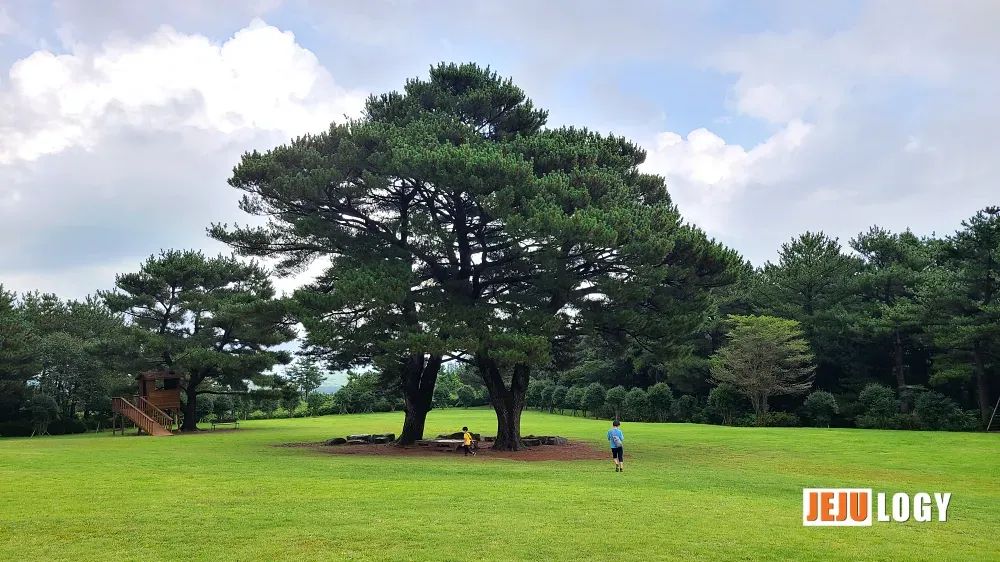
Some places don't sound exciting at all. Sanghyowon (상효원) is one of them. But it turned out to be a genuinely pleasant surprise.
The name Sanghyowon might sound plain, but it's an honest one — the garden sits in Sanghyo, so they just named it after the neighborhood. Sanghyo (상효) and Hahyo (하효) come from the old village name Hyodon-ri (효돈리), split into upper (sang) and lower (ha) villages.
Going further back, Hyodon used to be called Udun (우둔), meaning a place where herds of cattle were gathered. But people thought the name wasn't fitting for a village, so it was renamed Hyodon sometime around the mid-18th century. Now, the Sanghyowon website says "Sanghyo" means "to fulfill filial duty upward" — the owner apparently chose the name with that meaning in mind, so I suppose that reading is valid too.
First Impressions
The first building you enter after getting your ticket doubles as a restaurant connection, and it's surprisingly well-kept — clean, neat, tastefully done inside.
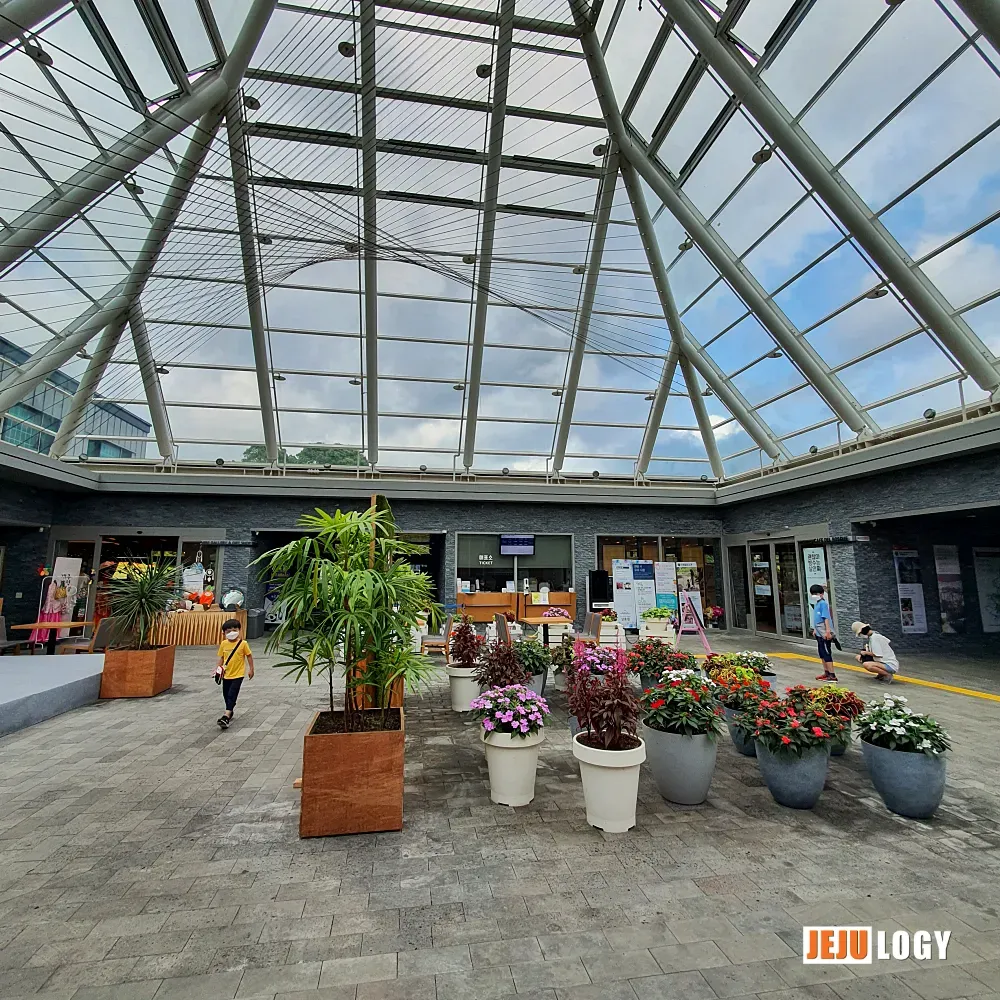
Sanghyowon is a botanical garden spanning roughly 264,000 square meters (about 80,000 pyeong) in Seogwipo, Jeju. The land was originally purchased by Lee Dal-woo, chairman of KC Cottrell, as a retirement home site. But the natural landscape turned out to be so remarkable that he felt it would be a waste for one person to keep it all to himself. People around him suggested building a hotel, but instead he decided to create a botanical garden — a place where anyone could come, walk around, and rest. I don't know much about the man personally, but that was a generous decision. The garden officially opened in April 2014.
What Makes It Worth Visiting
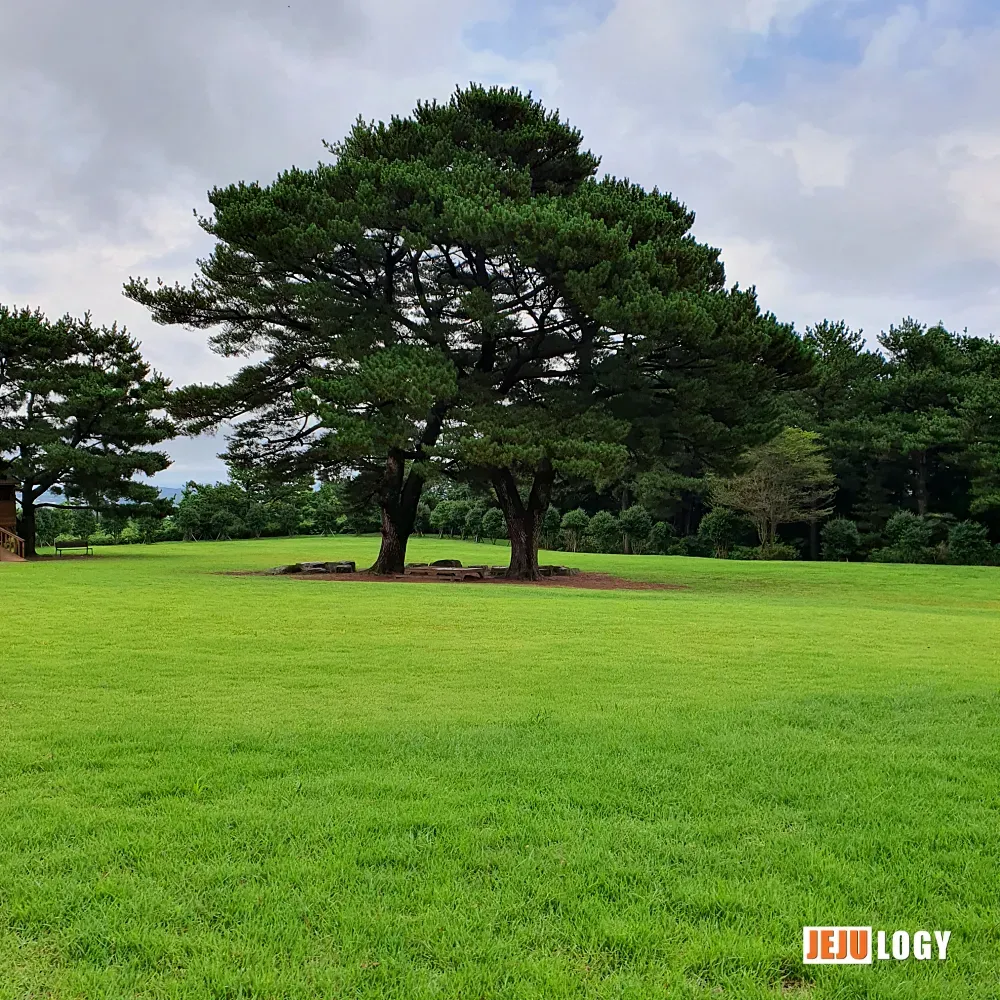
Sanghyowon sits at an elevation of roughly 300 to 400 meters above sea level. It's a native habitat for plants like the Calanthe orchid (saeuran), and the collection is impressive — around 1,200 species. The scale is big, but the diversity is what stands out.
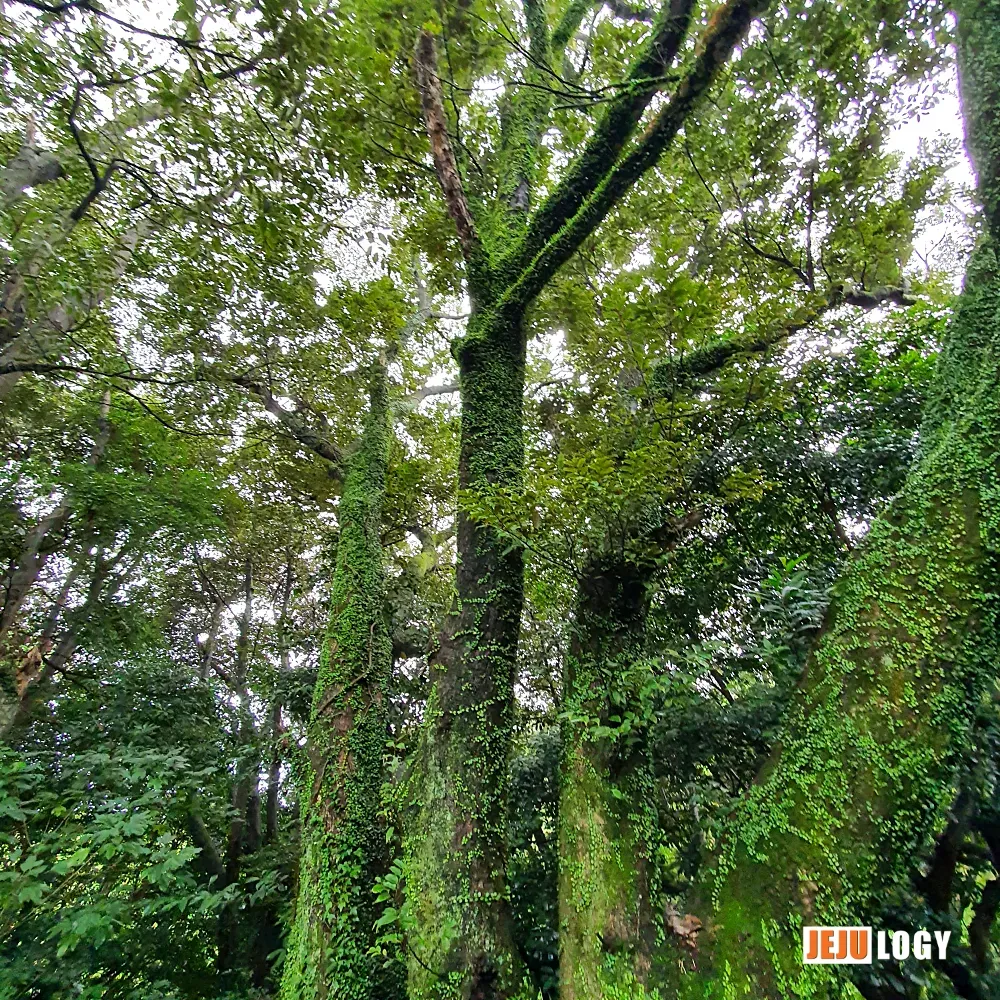
The garden is structured around several themed sections connected by forest paths. You walk through the woods and encounter different garden themes along the way. If walking isn't your thing, there's a shuttle that loops around the grounds.
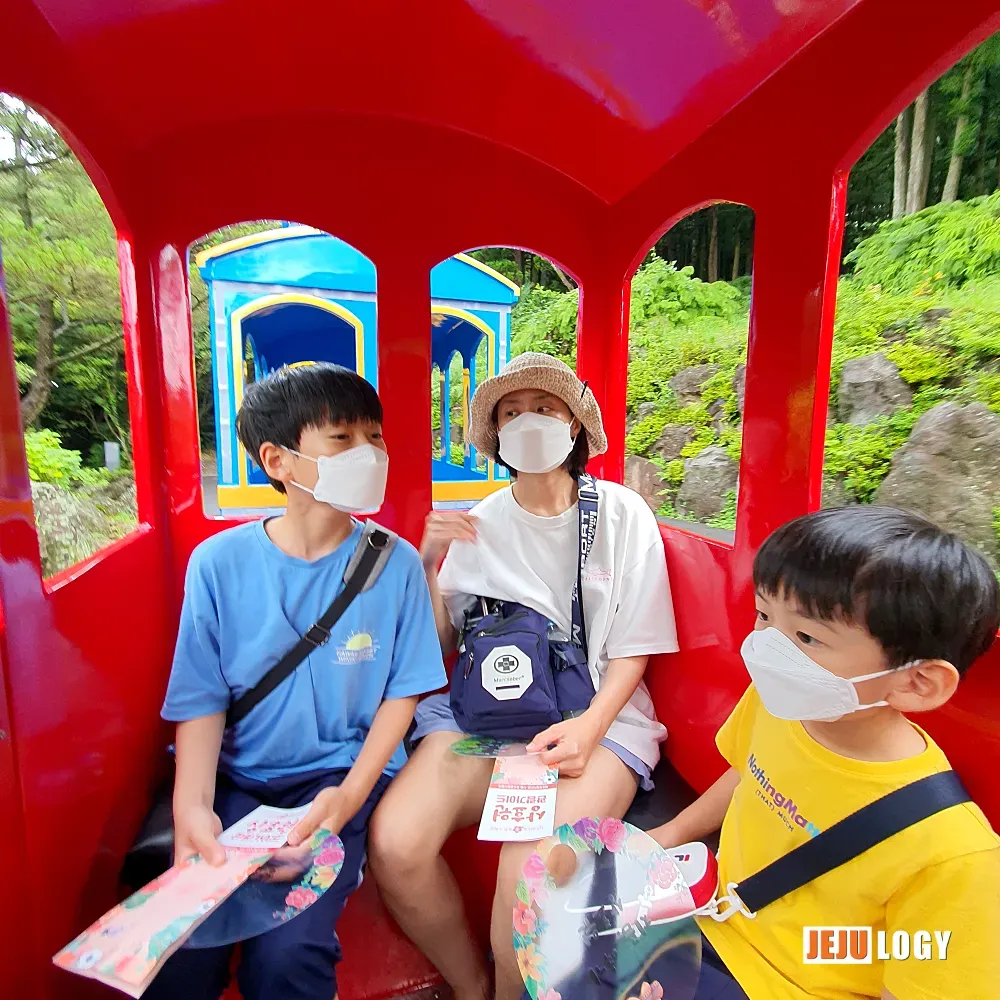
Most of the paths are paved or soft dirt trails with gentle slopes, so it's an easy walk at a leisurely pace. Strollers and wheelchairs looked perfectly manageable on the paved routes. Benches are scattered throughout, and they're placed well — when your legs start to feel heavy, you can just sit and breathe in the middle of the forest for a while.
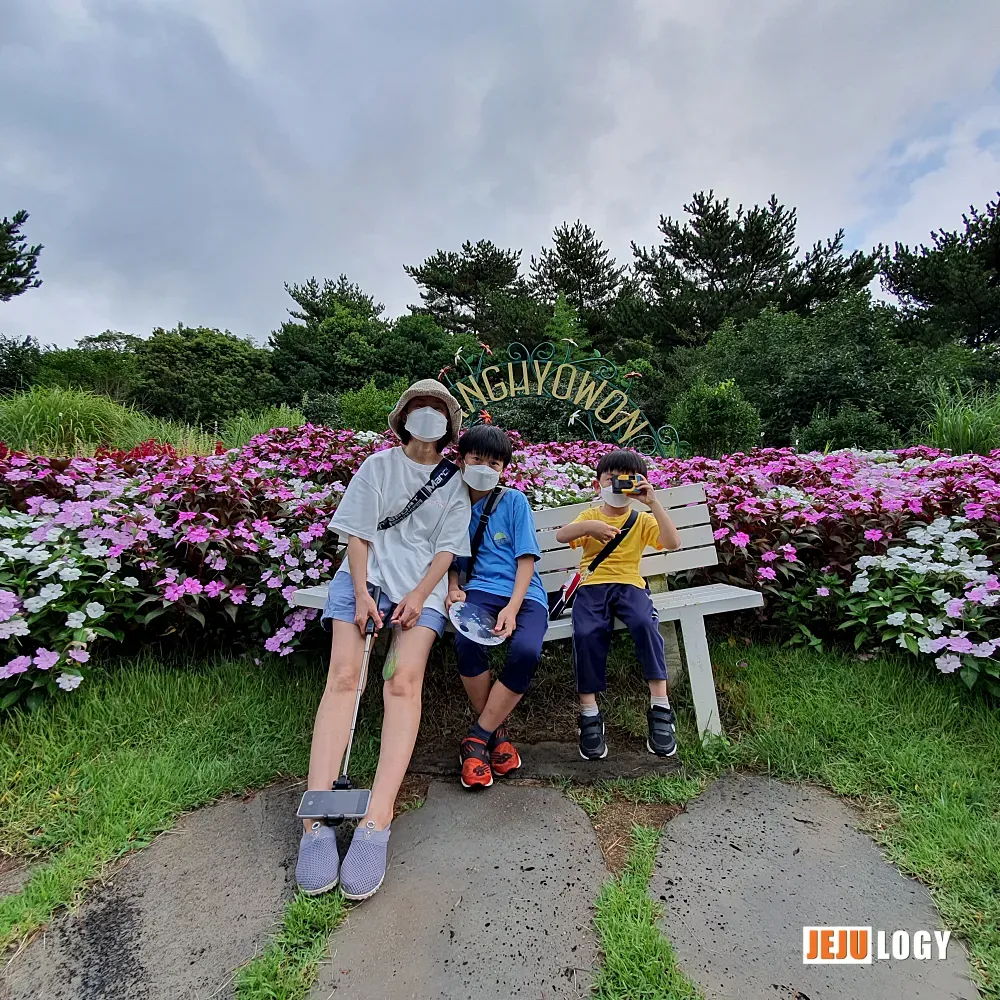
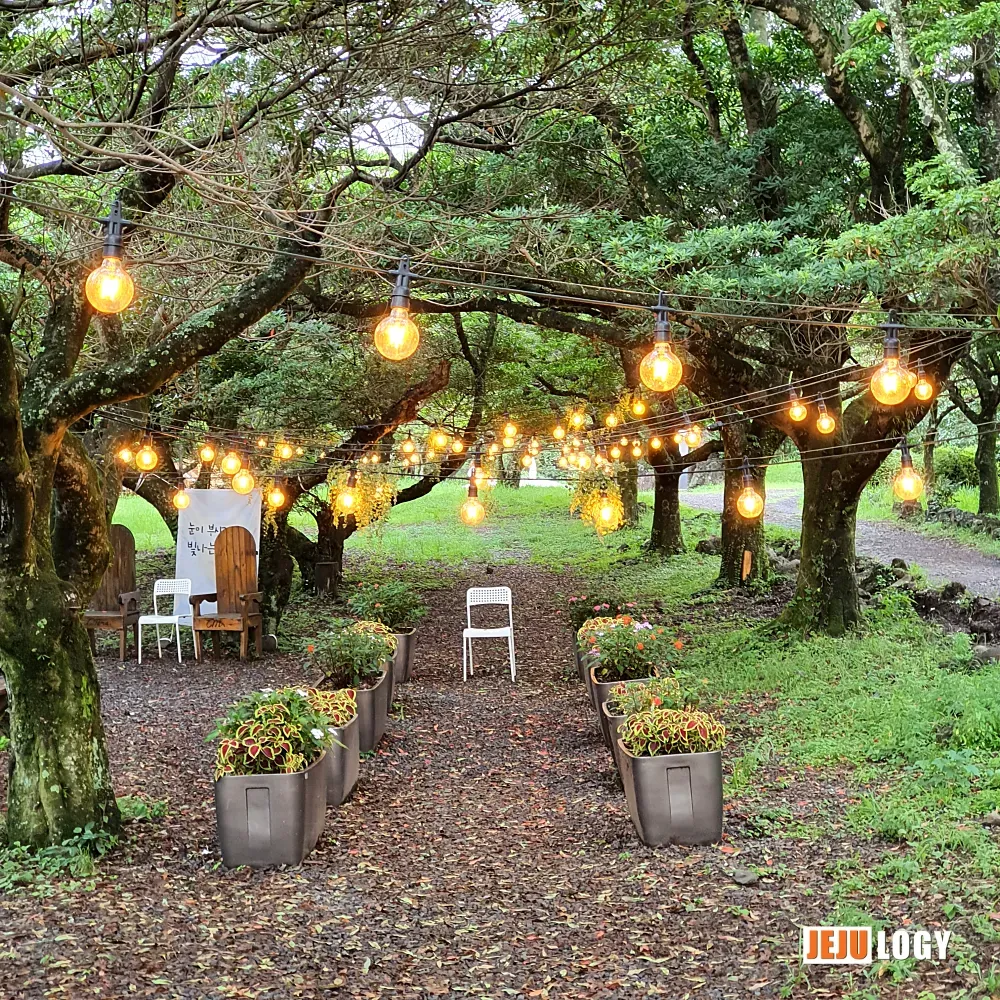
There are photo zones set up here and there. Even if you skip the photos, the atmosphere itself carries a certain charm that's hard to describe — it's just nice to be there.
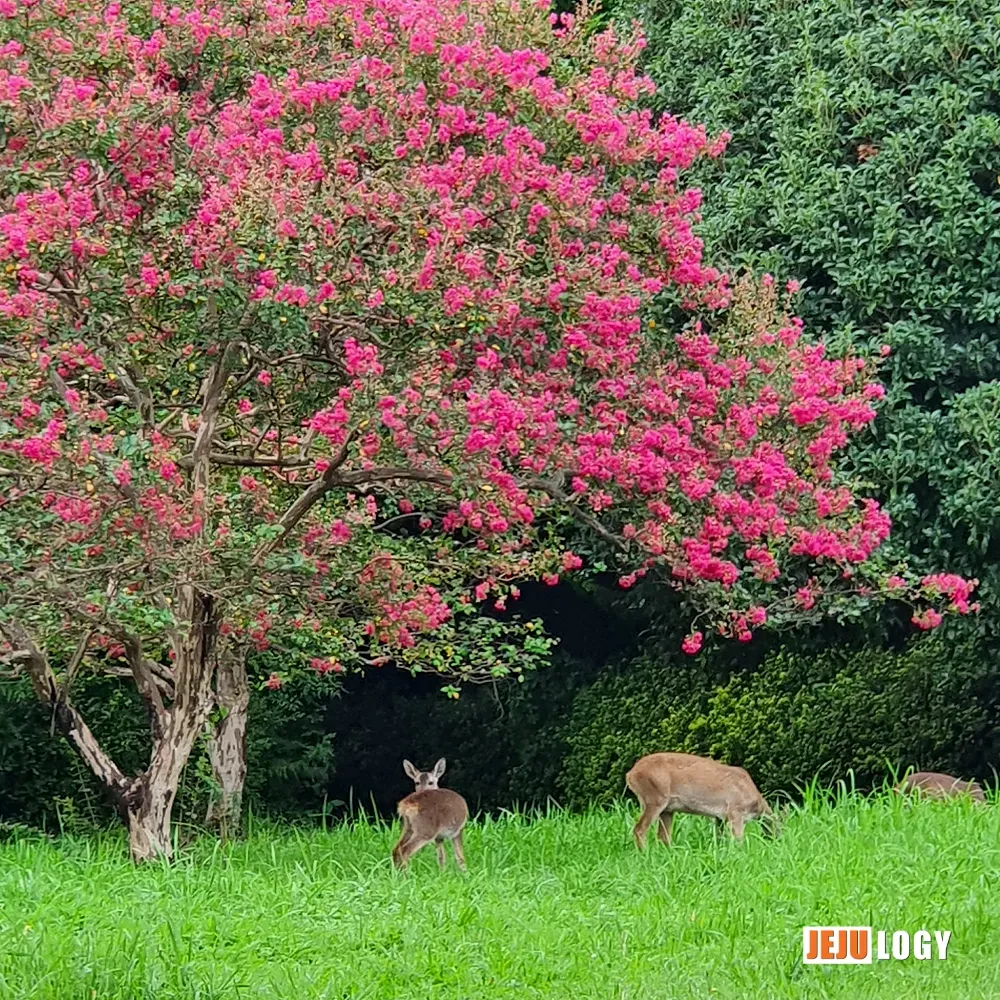
I spotted deer (noru) running around in the distance. They moved so freely that I don't think they're deliberately managed or kept. They just live there.
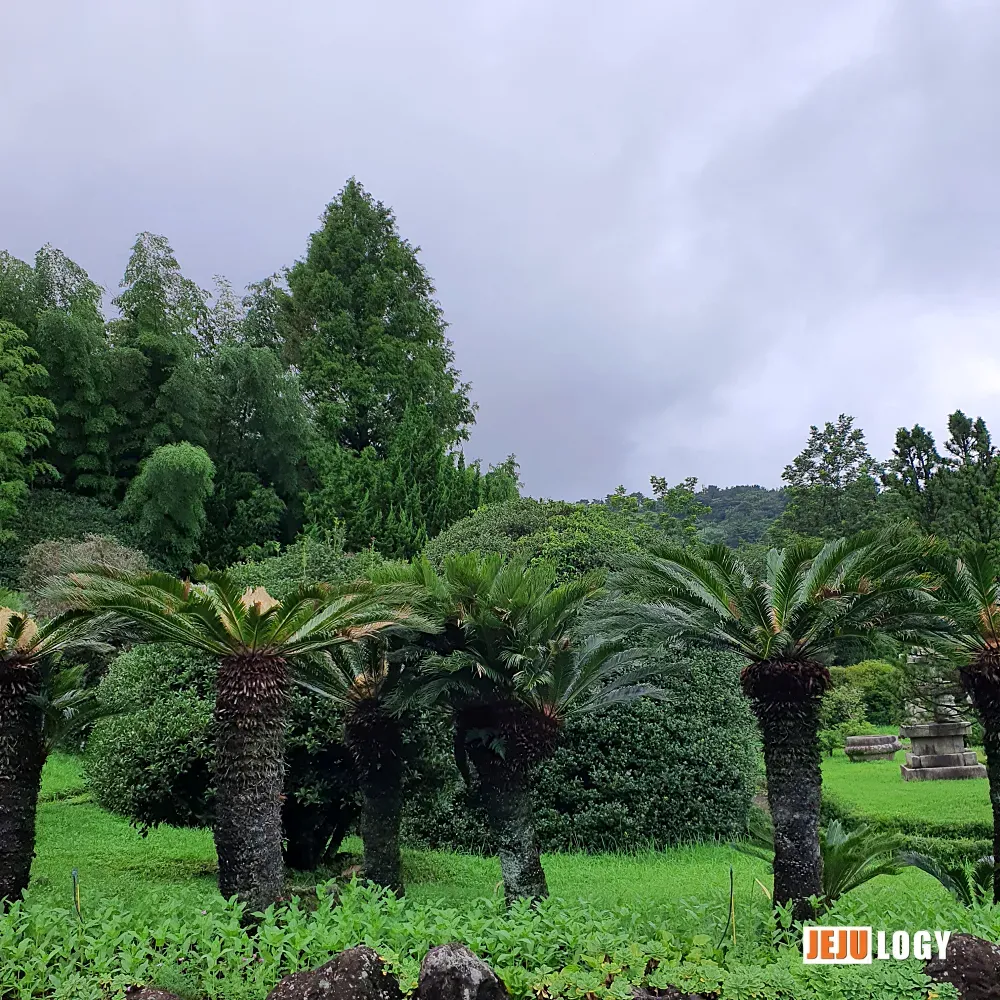
Canary island date palms were clustered in one section. They don't have that tall, dramatic look of Washington palms, but they're exotic enough in their own right.
For Families with Kids
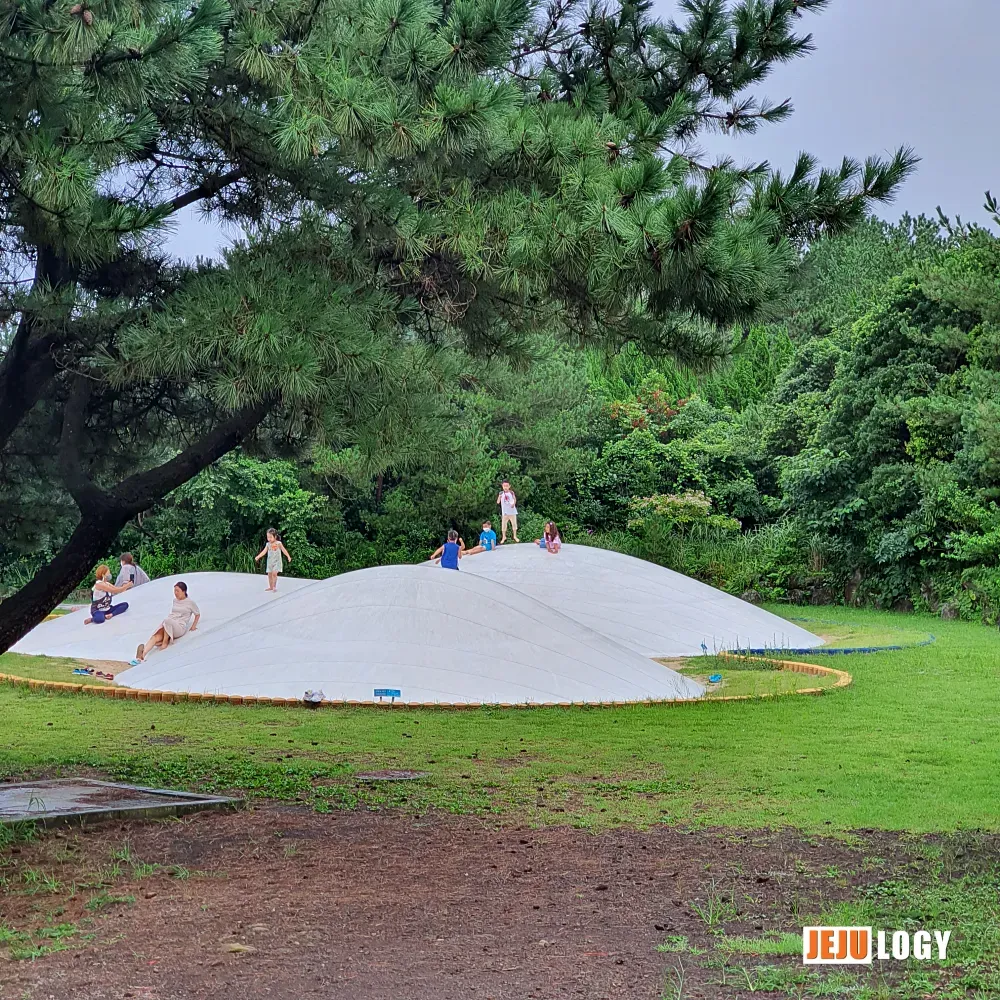
There's a "Bouncing Dome" area where kids can run around on a sloped surface, bouncing and sliding. We visited late in the evening and didn't have time to let the kids try it, but it looked like a solid spot for burning off energy.
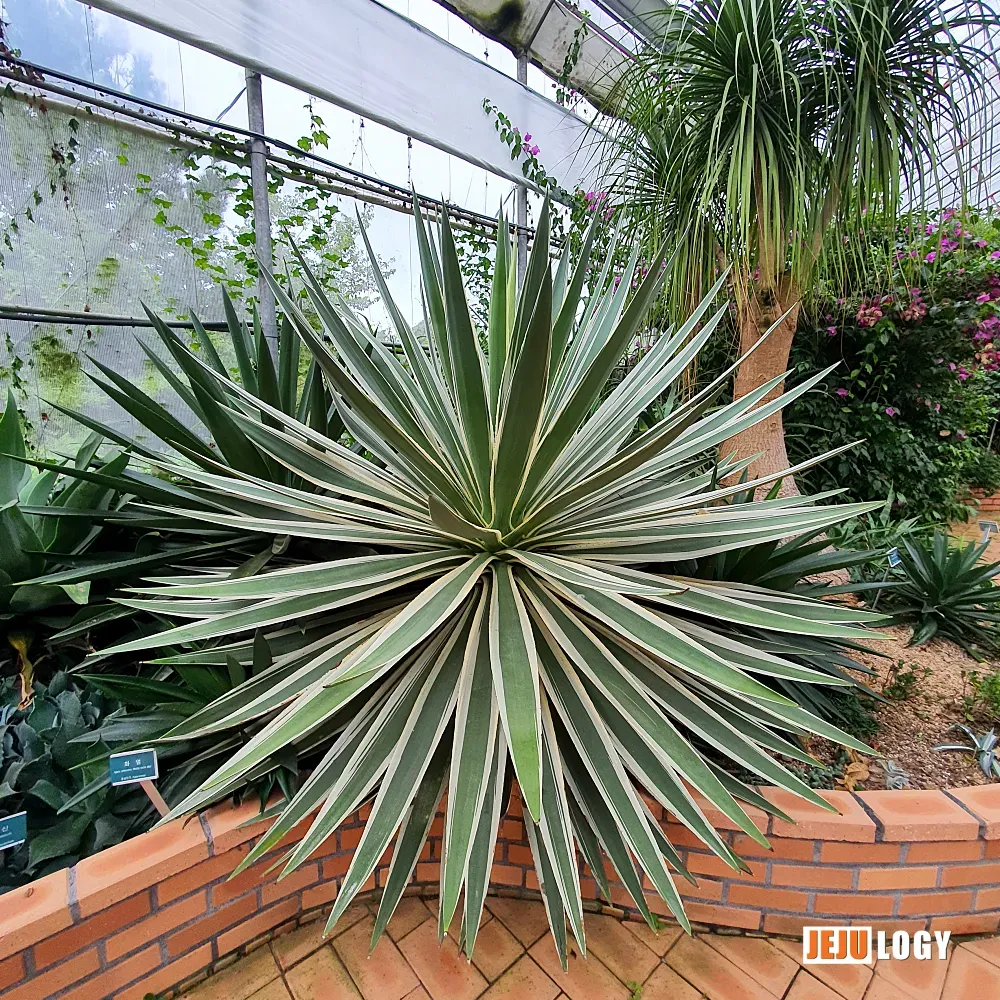
There's also a tropical greenhouse called Warangwarang (와랑와랑) where you can see tropical plants up close.
How Long Does It Take?
Most blog posts say about two hours. I think it depends entirely on how you approach it. If you use the shuttle and focus on specific spots, two hours is enough. But if you want to slow down, soak in the scenery, and rest wherever it feels right — half a day might not be enough. The place is that big.
Practical Info
Hours: 9:00 AM – 7:00 PM (spring through fall). From October to February, closing time is one hour earlier. Open year-round, no holidays.
Admission: Adults ₩9,000 / Children ₩6,000. Jeju residents get a discount: Adults ₩7,000 / Children ₩5,000.
Annual pass: ₩30,000 for one person, ₩100,000 for a family of four. If you're on the island and can visit regularly, this is a solid deal — come once each season, or just drop by on a weekend when you feel like getting outside.
Note: Cooking equipment and shade tents are not allowed inside.
One more thing I didn't get to visit: Sanghyowon operates a Plant Resource Research Center dedicated to the conservation, exhibition, and study of endangered species. If that's true as described, it adds real weight to this place — it's more than a garden. "Botanical garden" (sumokon) might be the better label.
Final Thought
If you're looking for a place that isn't crowded, where you can walk through nature at your own pace, think your own thoughts, and just be for a while — Sanghyowon is a good pick.
💡 Foreign readers might also want to know:Pyeong (평): A traditional Korean unit of area. 1 pyeong ≈ 3.3 square meters. When Koreans say "80,000 pyeong," they mean roughly 264,000 m² — about 65 acres.Noru (노루): The Korean roe deer, native to Jeju Island. Unlike mainland Korea where they're rare, Jeju's roe deer population is healthy and they roam freely in mid-mountain areas. Spotting them in gardens or along roads is not unusual.Domin (도민) discounts: Many attractions in Jeju offer reduced admission for domin — registered residents of Jeju Province. This is common across the island and reflects the local culture of distinguishing between residents and visitors. You'll need a Jeju-registered ID to qualify.Sanghyo / Hahyo naming pattern: Korean villages near mountains often split into sang (upper, 上) and ha (lower, 下) sections based on elevation. This is a very common pattern across Korea, not unique to Jeju.Saeuran (새우란, Calanthe orchid): A terrestrial orchid native to Jeju's mid-mountain forests. Some species within this group are designated as endangered in Korea, which partly explains why Sanghyowon's conservation work matters.More on Jeju's hidden heritage: If the historical backdrop of Jeju interests you, check out my post on Myeongwoljinseong (명월진성), the largest of Jeju's nine garrison fortresses.