Gwideok Gwaemul Hill and the Legend of Yeongdeung Halmang, the Wind Goddess of Jeju
A quiet seaside village on Jeju's west coast, Gwideok-ri hides a small hill with wide sea views, a vanished spring in the rocks, and the legend of Yeongdeung Halmang — the wind goddess who brings spring to the island.
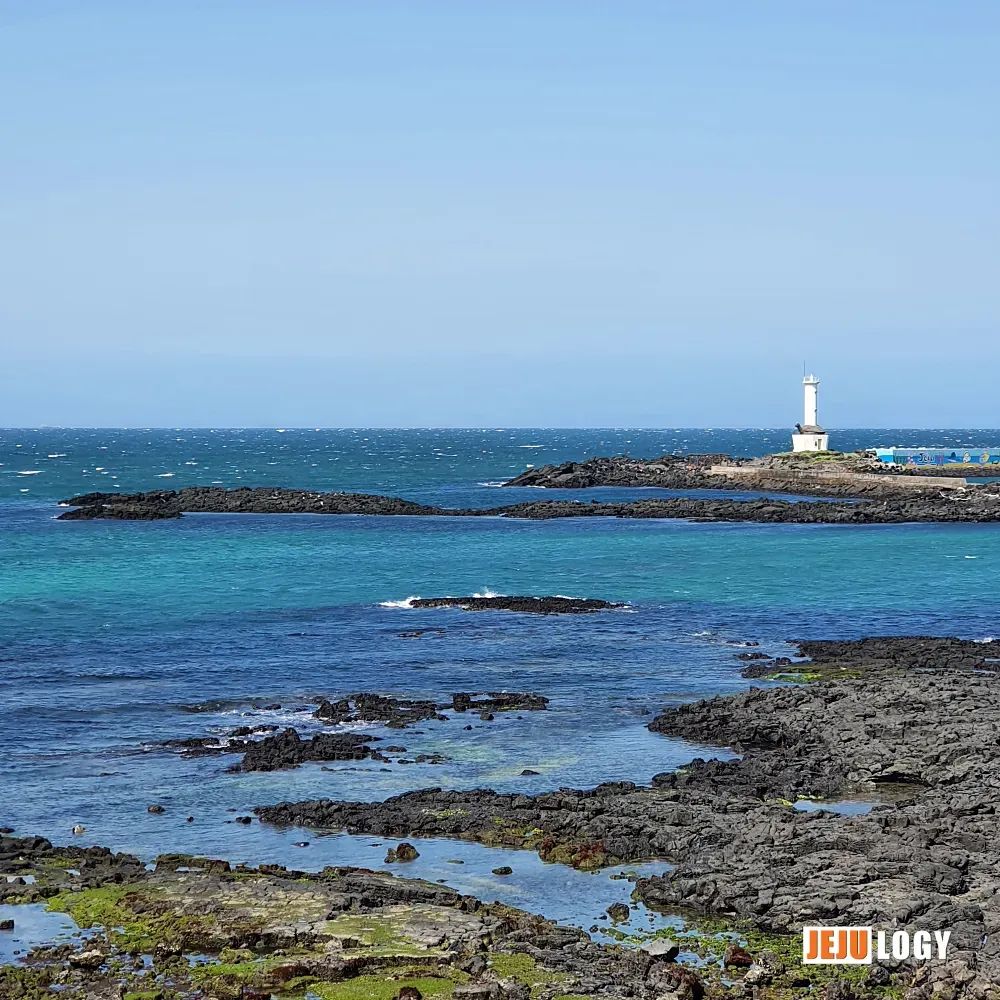
Gwideok-ri, a Quiet Coastal Village in Western Jeju
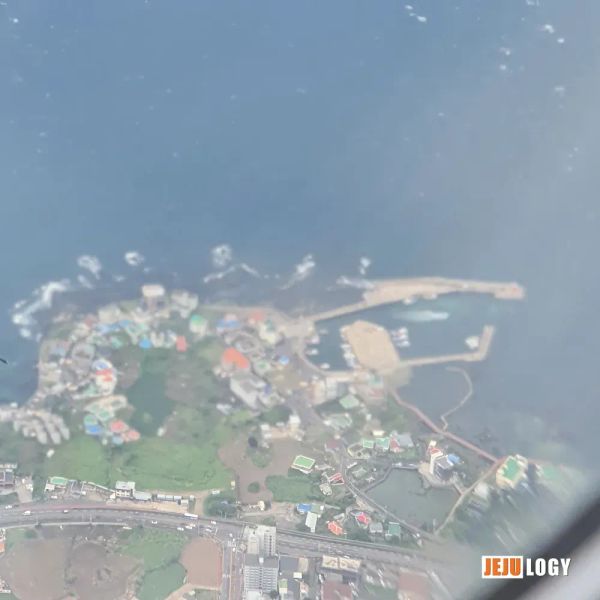
On the northwest coast of Jeju — the part of the island where the wind arrives first — sits a small, unhurried seaside village called Gwideok-ri (귀덕리), in Hallim-eup (한림읍).
The village name Gwideok (歸德) literally means "virtue returning." It's an auspicious name, the kind that makes you curious about the place before you've even walked its lanes.
According to historical records, in 1212 — the 7th year of King Huijong of Goryeo — a small settlement here called Seokcheon-chon (石淺村) was promoted to the status of Gwideok-hyeon (귀덕현). When the 15 sub-counties (속현) of Jeju were organized under the main Jeju-mok administration in the 1300s, Gwideok was already a key location on the western coast. The other western sub-counties at the time were Gonae, Aewol, Gwakji, Myeongwol, and Chagwi (고내, 애월, 곽지, 명월, 차귀) — names that, along with Gwideok, still survive today as villages in Jeju City.
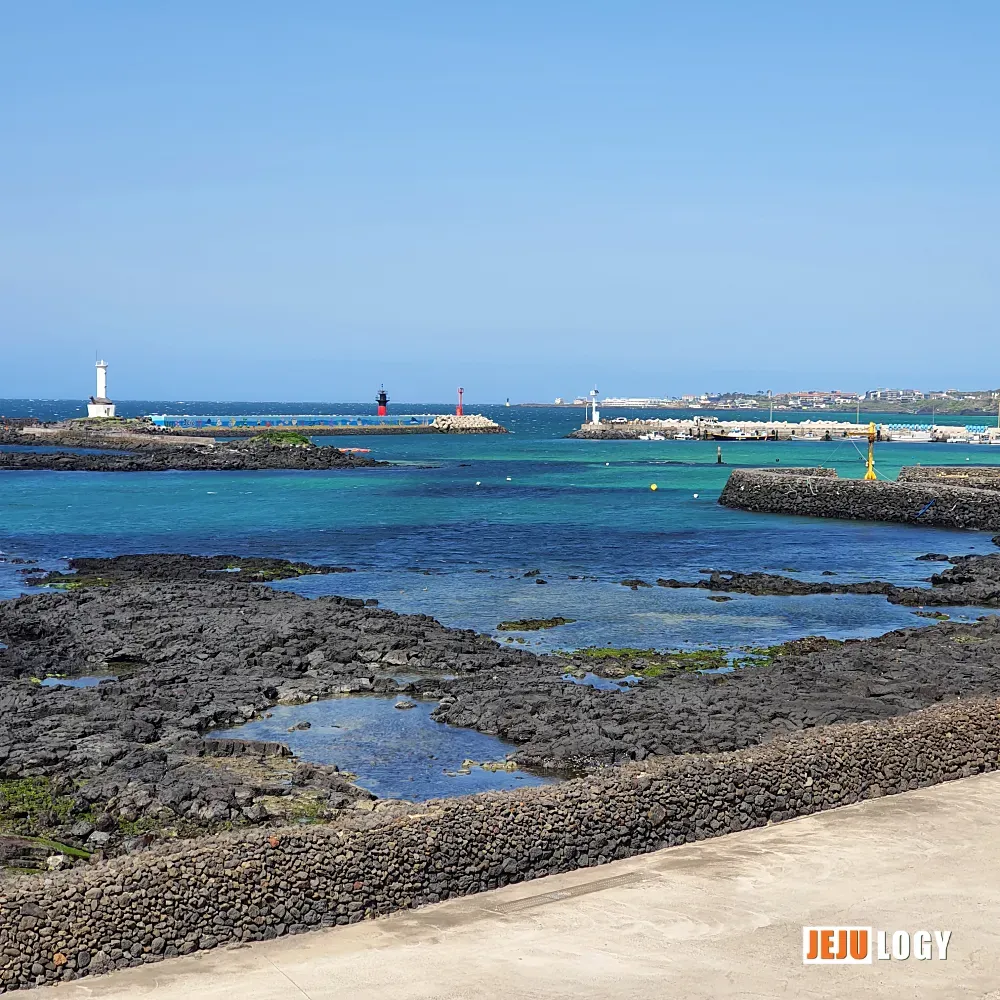
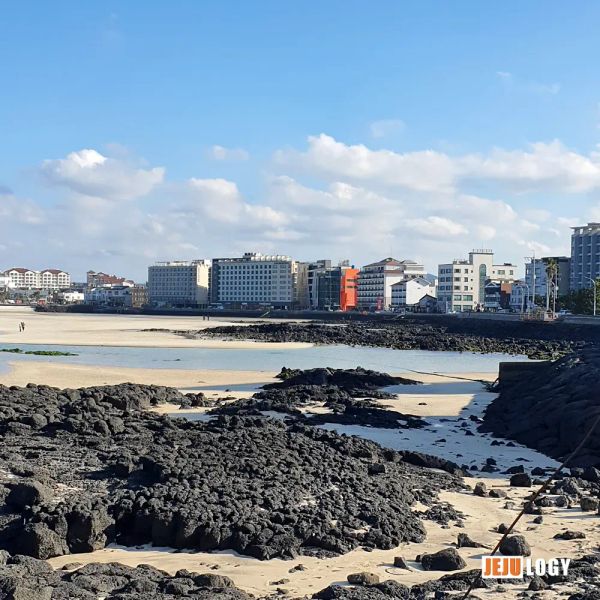
Compared with the famous, tourist-packed coastal villages of Jeju, Gwideok-ri still feels relatively quiet and plain. That is a relative statement, of course. Plenty of people love Gwideok too.
If you want a spot to look down at that clear, blue-green water and slow your thoughts for a while, there is a place worth knowing about — Gwideok Gwaemul Hill (귀덕궤물동산).
The Small Hill, the Sunset, and the Spring Water in the Cave
I wouldn't tell anyone to travel from far away just to see Gwaemul Hill. But if you find yourself in Gwideok-ri for any reason, there's no good reason to skip it either.
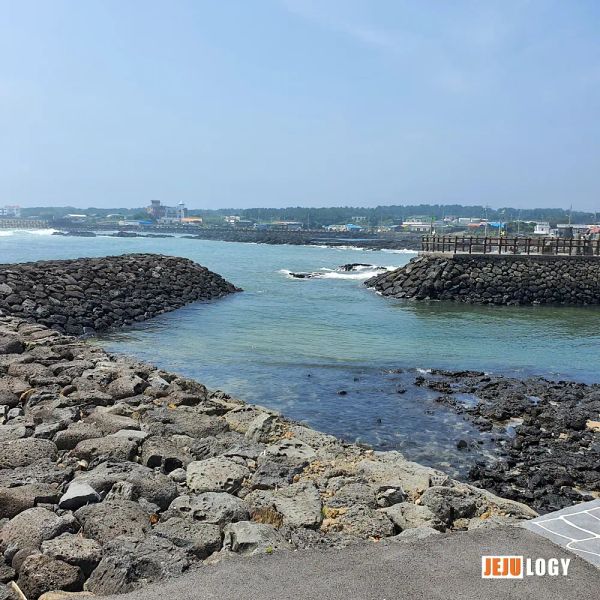
Gwaemul Hill is a tiny coastal mound. Small as it is, the view from the top is surprisingly open, and because it faces the western sea, the sunsets here are especially beautiful.
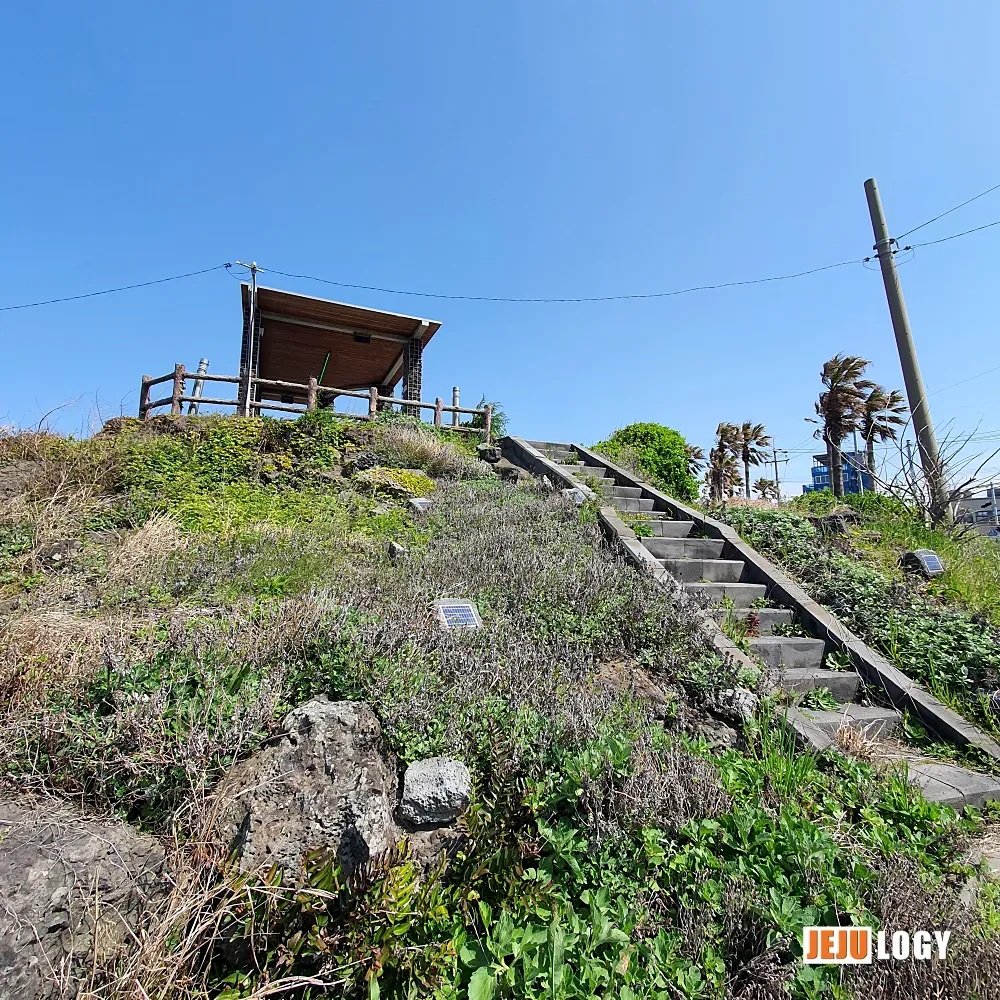
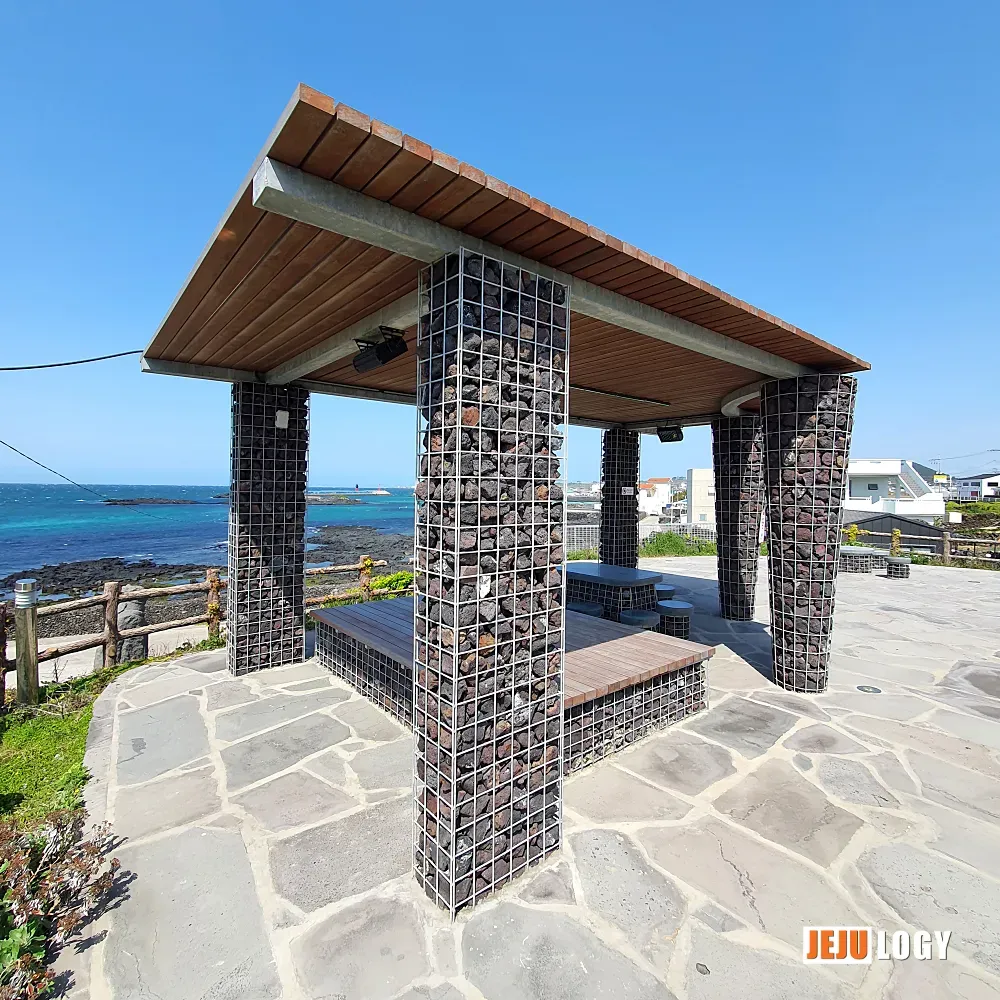
A simple rest area sits on top of the hill. The shelter itself is modest, but you get shade and a wide view of the sea — which, for a spot like this, is more than enough. The hill looks low from below, but even a few steps up the stairs completely changes what you see.
There is a stone table up there, perfect for a quick snack, a cup of coffee, or even a small packed lunch while looking out at the water. Next to it, a wooden platform (pyeongsang, 평상) gives you a flat surface to rest tired legs on.
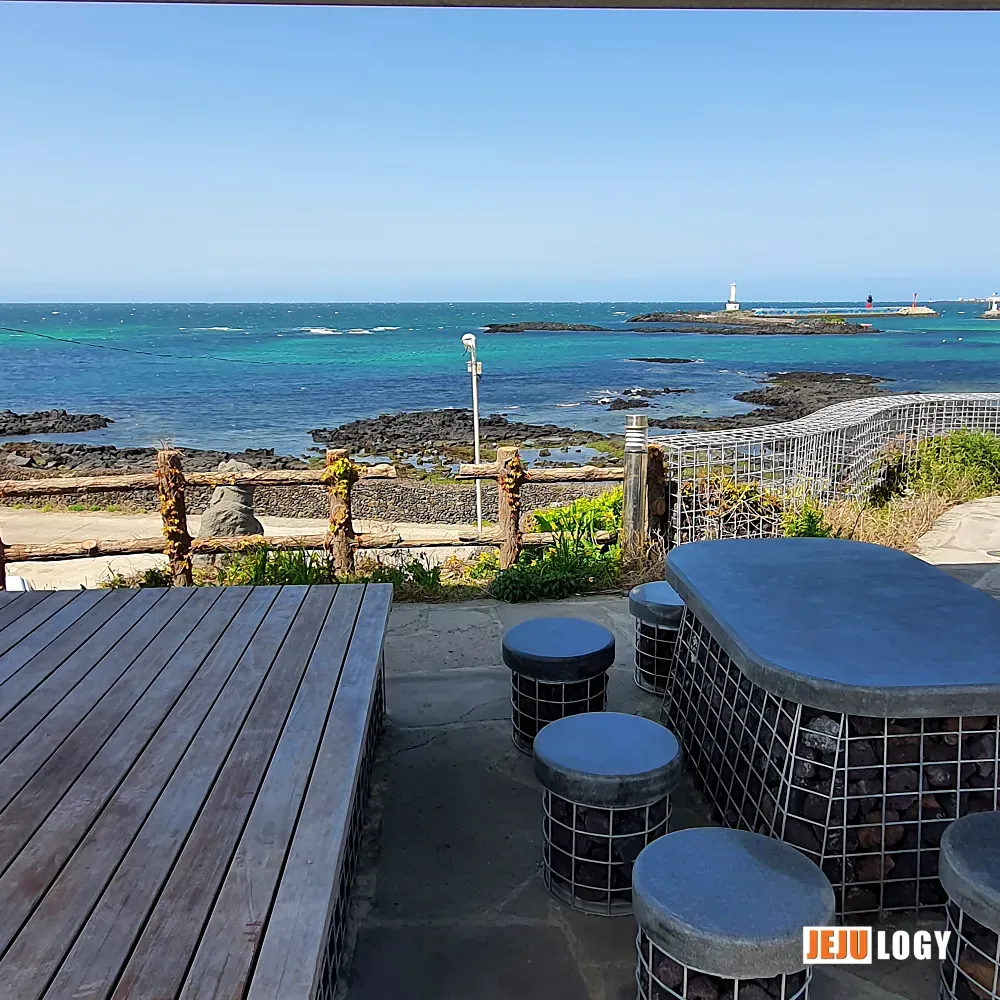
Honestly, the shelter itself feels a little stiff and cold in its design. Piles of stone held together with exposed rebar — I wish they had used the same stone for a traditional Jeju stone wall (dam, 담) instead. It would have felt warmer, more Jeju. But the sea view more than makes up for it.
Sunset gets all the attention, but the water looks just as good in bright daylight. There is still a plain, unhurried feeling here. It is not completely empty — you won't be the only person around — but it has more calm than most of the island's well-known hotspots.
Why is it called "Gwaemul"?
The name Gwaemul-dongsan (궤물동산) can sound strange the first time you hear it. Here is the breakdown.
In Jeju dialect, gwae (궤) means a small cave or short rock shelter — the kind of opening you sometimes see in lava outcrops. If you've been to the entrance of Andeok Valley (안덕계곡), you've probably seen one already.
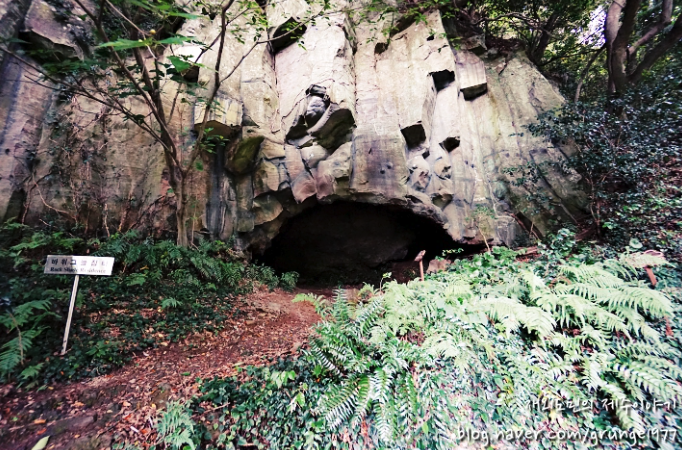
Mul (물) is easier: it means water. In this case, specifically yongcheonsu (용천수) — spring water that flows out naturally from volcanic rock. So gwaemul literally means "cave spring water."
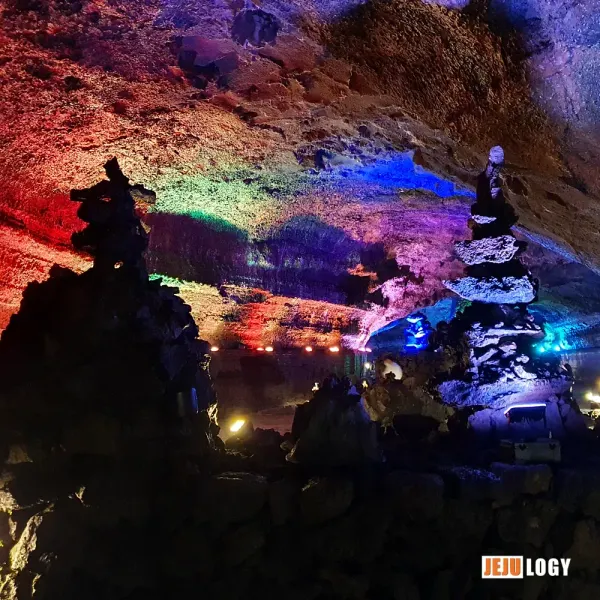
At the base of the hill, water used to rise from gaps in the lava rock by the shore. There were two springs — billemul (빌레물), which the men used for bathing, and the gwaemul that came out of a small cave. The cave itself is hard to see today. Only the spring site remains, which does make the name feel a little deflated when you stand there.
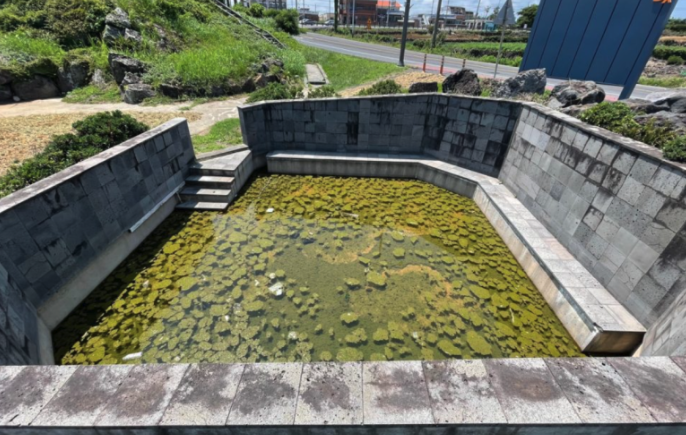
Put it all together: Gwideok Gwaemul Hill is simply "the hill in Gwideok-ri that sits in front of the spring water from the cave." The name is just a plain stack of features.
Until the late 1900s, these village springs were a serious part of daily life here. Today, what is left is mostly the memory of them.
Yeongdeung Jwasu: a Wind Spirit Who Brings Spring
Near Gwaemul Hill stands a stone figure you can't really miss. This is Yeongdeung Jwasu (영등좌수).
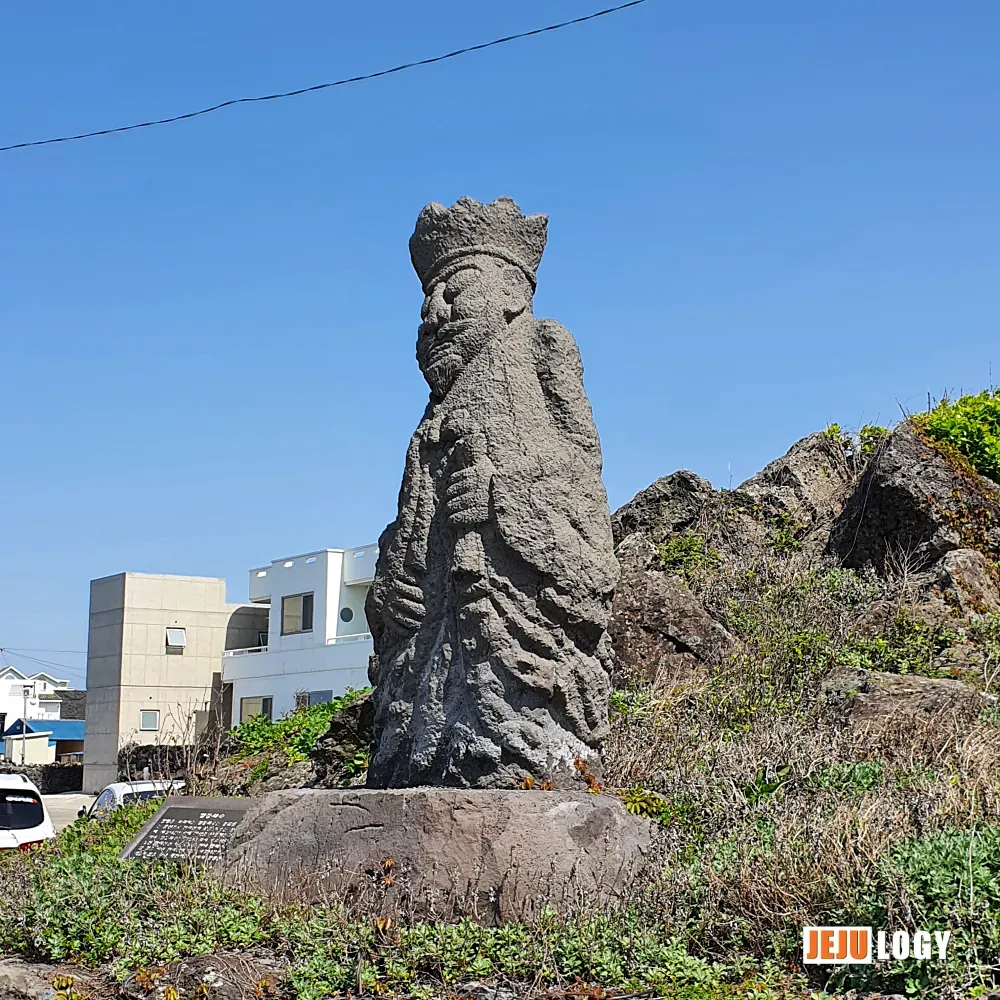
Most travelers won't know this name. But if you've spent any time reading about Jeju, you've probably come across Yeongdeung Halmang (영등할망) — the wind goddess who, according to the old stories, comes down to Jeju on the first day of the second lunar month. She enters the island through Gwideok-ri specifically, scatters seeds of life across the fields and the sea, and then leaves. She is, in other words, the reason Jeju's spring arrives.
According to the legend, seven Yeongdeung spirits come down together during this time. Besides Yeongdeung Halmang herself, there are six companions: Yeongdeung Hareubang, Yeongdeung Daewang, Yeongdeung Byeolgam, Yeongdeung Jwasu, Yeongdeung Hojang, and Yeongdeung Ujang (영등하르방, 영등대왕, 영등별감, 영등좌수, 영등호장, 영등우장). The stone figure here represents Yeongdeung Jwasu.
Jwasu (좌수) was an actual title during the Joseon dynasty — the head of a local self-governing council in a village or fishing community. One theory is that Jeju people mapped the world of the wind spirits onto the organization of their own villages. It is a very Jeju way of imagining the divine: not a cosmic hierarchy, but the people next door, promoted.
Yeongdeung Jwasu is the one who loves music and a good time — the wind spirit in charge of making the spring flowers bloom on Hallasan and scattering grain seeds across the fields. In some depictions, he carries a drum or a flute at his waist.
Each of Yeongdeung Halmang's companions has their own job. If Yeongdeung Jwasu handles flowers and seeds, Yeongdeung Ujang is in charge of rain clouds and weather. Yeongdeung Byeolgam summons the schools of fish to the sea. Yeongdeung Hojang brings the gentle winds — so when the weather turns out unexpectedly fine during Yeongdeung month (영등달), people used to say that Yeongdeung Hojang must have passed by.
A Village Full of Jeju Scents and Small Stories
From Gwaemul Hill, you can see the Gwideok Turtle Lighthouse (거북등대) clearly. This breakwater lighthouse is shaped like a turtle shell and has become the unofficial symbol of the village. Partly because of it, a nearby photo studio called Botong Cheongchun Girok-sil (보통청춘기록실, "Ordinary Youth Record Room") has become quite popular.
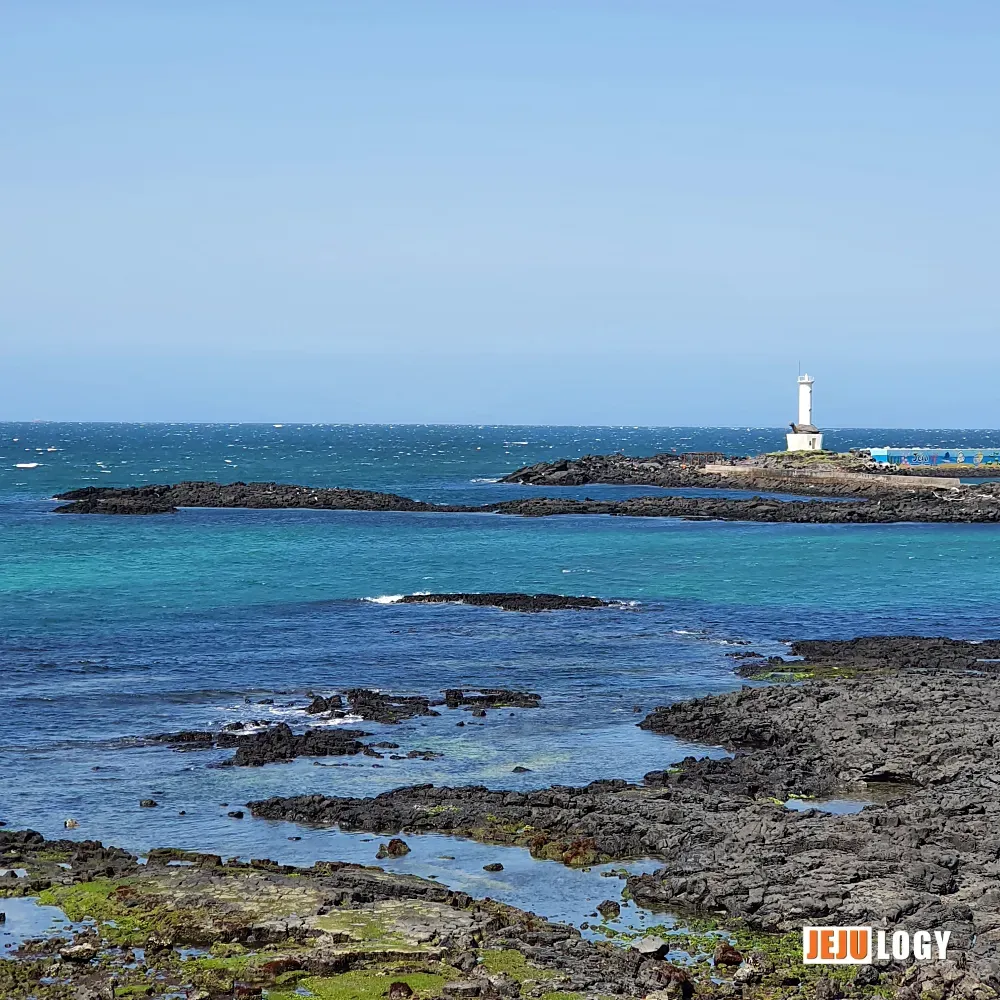
Gwideok-ri is a good village for slow, quiet travel. Walk the coast, take some pictures, and if you have time, visit the nearby Yeongdeung Halmang Sinhwa Gongwon (영등할망 신화공원, Yeongdeung Halmang Mythology Park), where you'll find more stone figures and the full cast of spirits in the legend. Just down the coast is Ujiyeondae (우지연대), one of Jeju's old coastal beacon platforms — part of the island's long defensive heritage.
And then, in between all of that, climb the few steps up Gwaemul Hill and let the emerald water do the rest.
Address: 귀덕9길 21-1, Hallim-eup, Jeju City, Jeju Special Self-Governing Province
💡 Foreign readers might also want to know:The Yeongdeung-gut ritual. Jeju's shamanic ritual to welcome Yeongdeung Halmang in early spring — held at villages like Gwideok-ri and Chilmeori (칠머리당) — is inscribed on UNESCO's Representative List of the Intangible Cultural Heritage of Humanity. If your visit lines up with the second lunar month, it's worth looking up the schedule.What yongcheonsu meant to old Jeju. Jeju is a volcanic island, and for centuries it had almost no rivers. Spring water emerging from lava rock — yongcheonsu — was literally where villages got built. Walking past a dried-up spring site like Gwaemul is walking past the reason the village exists.The difference between Seolmundae Halmang and Yeongdeung Halmang. Foreign readers often mix them up. Seolmundae Halmang (설문대할망) is the giant goddess who created Jeju itself — the land. Yeongdeung Halmang is the visiting wind goddess who brings Jeju's seasons and fisheries. One made the island; the other keeps it alive each year.